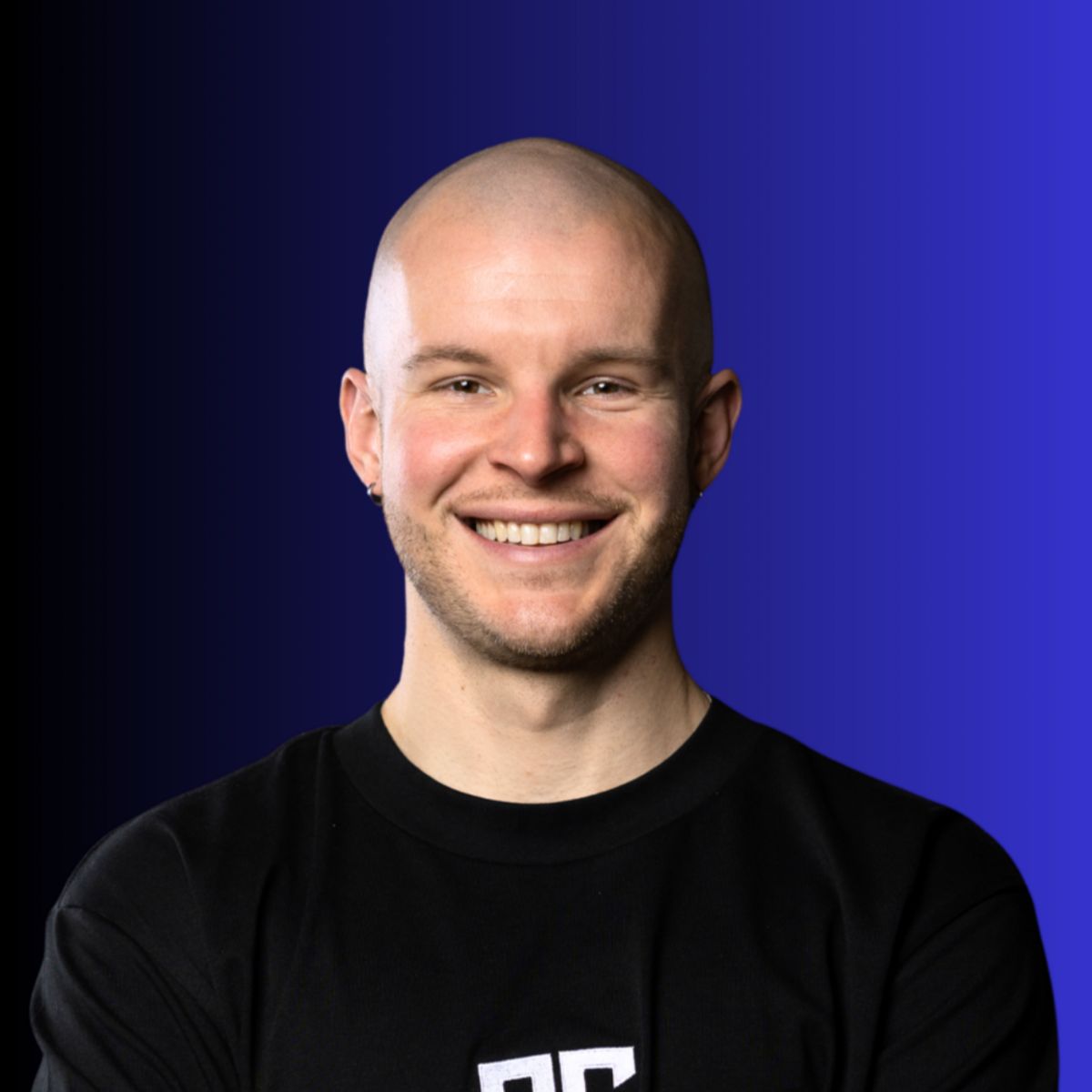
Lionel Sanders May Be Racing His Final Season. His Brand Doesn't Care.
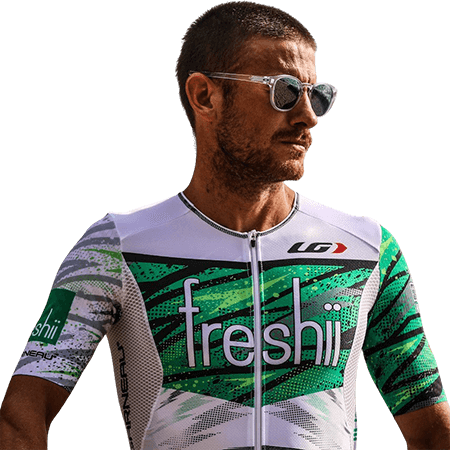
This week, Lionel Sanders, arguably the most well-known triathlete on the planet, posted a YouTube video titled "Wrangling Up the Troops One Last Time." The triathlon world immediately started speculating: is this the beginning of a farewell tour?
Here's what makes this fascinating from a branding perspective. Whether Sanders races another Ironman or not, his career is already secure. He's built a YouTube channel with over 200,000 subscribers. He has a Lululemon collaboration line. He works full-time with his videographer Talbot Cox, who has been filming since 2011, turning Sanders' daily training into serialized content that pulls in tens of thousands of views per video.1
Sanders was one of the first professional triathletes to launch a YouTube channel and take fans behind the scenes of his training. His appeal has never been just about results. He battled addiction before finding the sport, and he's been radically transparent about that journey the entire time. That honesty is the brand. The racing is what he does. The brand is who he is.2
That distinction matters. Because when the racing stops, the brand keeps compounding. Sanders has already announced his first races of 2026, so the story isn't over yet. But the lesson already is: your brand should outlive your playing career. If it can't, you built the wrong thing.
If you compete in anything on a regular schedule, stop thinking about "posting content" and start thinking about producing seasons. Map your year around your races or major goals, and treat each buildup as its own series: "T-minus 90 days to race day" gives your audience a reason to follow along, not just check in. Serialized content consistently outperforms one-off posts because it builds narrative investment. People don't just want to see your highlight reel. They want to watch the story unfold.
The Rise of Personal Branding in Professional Triathlon
Let me tell you about a sport that is quietly proving everything I believe about personal branding.
Professional triathlon is not a sport where you get rich from racing. Even at the very top, world championship winners are pulling in a couple hundred thousand dollars a year. Maybe. The athletes one tier below that? They're grinding through some of the most physically demanding competition on earth and making a fraction of what a mid-level soccer player earns in a month.
So what are the smartest pros doing? They're building personal brands.
And they're not doing it as a side project. They're doing it because the math demands it.
The Pioneers
There are three names leading this movement on YouTube, and each of them shows a different angle of what's possible.
Lionel Sanders has been posting since 2011. He's a five-time Ironman champion, two-time Ironman World Championship runner-up, and has over 200,000 subscribers on YouTube. His channel, produced with videographer Talbot Cox, is unscripted, raw, and built on radical honesty. He doesn't just show race day. He shows the doubt, the bad sessions, the obsessive self-coaching. That transparency is what turned him from a great athlete into the most followed male triathlete in the world. And it's what allowed him to land partnerships with Lululemon, Canyon bikes, ROKA, Whoop, and others that stretch far beyond the swim-bike-run ecosystem.
Lucy Charles-Barclay has been creating since 2019 and has over 130,000 subscribers. She's the 2023 Ironman World Champion and a four-time Kona runner-up. She and her husband Reece produce training vlogs, race recaps, and lifestyle content that give fans a genuine window into what elite triathlon looks like day to day. Her brand has opened doors to sponsorships that go well beyond wetsuit and nutrition companies.
Paula Findlay and Eric Lagerstrom run That Triathlon Life (TTL). They've been posting since 2017, have over 300 videos and 65,000+ subscribers, and they've built something the other two haven't: a full community around their channel. Paula is a former ITU world number one. Eric is a former short-course pro who now races Xterra. Together they prove that you don't need to be the number one athlete in the world to build a brand that creates leverage. You need consistency, personality, and a willingness to show up on camera.
What They All Have in Common
These athletes figured out something that most professionals in every sport still haven't: race results give you attention, but a personal brand gives you leverage.
Before personal branding entered triathlon, athletes were sponsored by bike companies, wetsuit brands, and nutrition companies. That still happens. But the personally branded athletes are now negotiating better deals with those partners because they bring a built-in audience. And they're also landing sponsorships from companies completely outside the sport: mattress companies, car brands, camera companies. Why? Because these triathletes have clarity about who they are, authority in their space, and leverage they created themselves.
That's the formula. Clarity. Authority. Leverage. The same three milestones I talk about constantly. These triathletes are living proof that when you stop being invisible and start owning your narrative, the opportunities shift from you chasing them to them finding you.
What This Means for Amateurs (and Everyone Else)
Here's where this gets personal for you.
You don't need to be a professional triathlete to apply this. You don't need to be a professional anything. What you need is a sport, a skill, or a journey that you're committed to for the long haul, and a willingness to document it honestly.
We love a hero story. Humans are wired for it. And the truth is, amateur athletes are often more relatable than the pros. You're balancing a full-time job, a family, and training. You're not genetically elite. You're choosing this. That's compelling.
If you're training for a race in July, your content starts now. Not on race day. Now. Post your workout stats. Share what you learned from a rough session. Collaborate with your coach on a breakdown of your training block. Shoot a 60-second talking head after your long run about what went through your mind at mile 15.
And here's the framework that will make it stick: think of each race buildup as a Netflix season. T-minus 90 days. T-minus 60 days. T-minus 30. Each period becomes its own narrative arc. Your audience knows where the story is going, so they have a reason to show up every week.
Vlog it. Interview someone. Do talking head to camera. Post b-roll with stats overlaid. It doesn't matter which format. What matters is that you're building a personal brand around the thing you already do, and over time, that brand creates leverage. Sponsorships. Free gear. Paid partnerships. Community. Maybe even a career pivot you didn't see coming.
Some amateur athletes on Instagram and TikTok are already earning as much as professional triathletes who rely solely on race winnings. Read that again. The playing field isn't level. It's inverted. The person who builds a brand around their journey can out-earn the person who "just" wins races.
That's not a fluke. That's the new reality of sport, and it's the new reality of professional life, too. Your talent alone is not enough. Your talent plus visibility plus clarity about who you are and what you stand for? That's the whole game.
Over to You
Here's my question for you this week: If your sport, your job, or your main "thing" disappeared tomorrow, would people still know who you are and what you stand for?
If the answer is no, that's not a failure. That's a starting line. And everything in this newsletter is designed to help you run from it.
If this landed for you, share it with one person who's talented at something but invisible to the world. That's exactly who this is for.
See you next week. Stay Dangerous.
Noah

1 Lionel Sanders: "Wrangling Up the Troops One Last Time" (Triathlon Magazine Canada)
2 Why Lionel Sanders is the most popular triathlete on YouTube (Triathlon Magazine Canada)
Social Media Tip of the Week: Treat Your Content Like a TV Season